The other day, a photo of one of my style icons appeared on Vogue’s Instagram. She wore a simple white tee and a floral silk skirt, a combination rooted in 90s minimalism, but the caption focused on something else entirely. Her accessories were what brought the look into the present moment.
The former first lady paired the outfit with mahogany pointy-toe slingbacks, an Etro clutch, and gold-rimmed Gucci mask sunglasses. A single necklace and a stack of bangles added just enough intention, while her signature braided style made the look unmistakably her own.
When we think about refining our personal style, we tend to focus on the bigger pieces, the perfect blazer, the right denim, a dress that feels like us.
But style rarely comes together in the big moments alone. It’s shaped in the smaller choices (the ones we make almost without thinking).
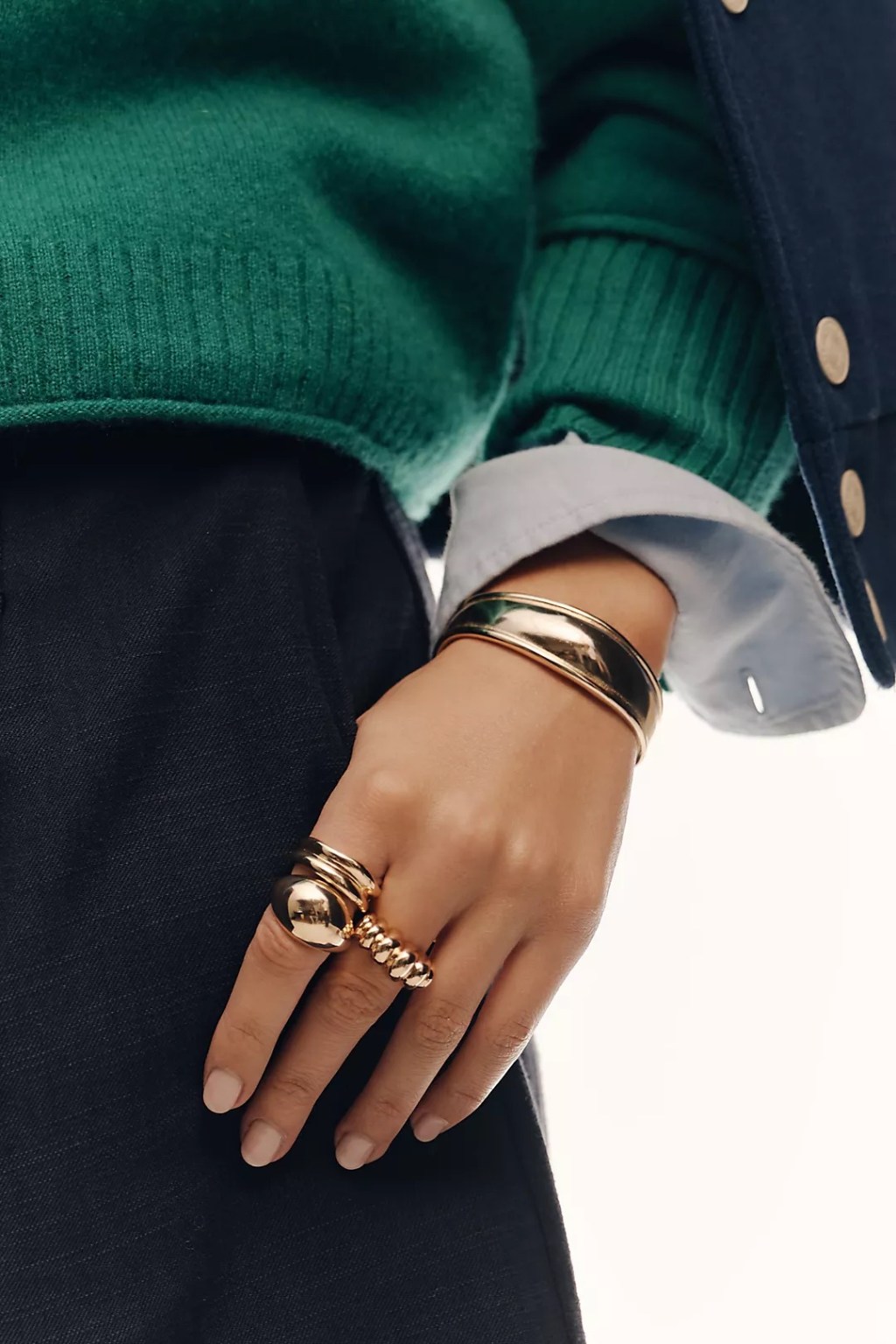
Accessories are where your style becomes intentional. They are the finishing touch, yes, but more importantly, they are the throughline. The pieces you return to again and again. The details that quietly define your look.
If you’ve ever felt like your outfits are missing something, this is where to begin.
Step 1: Start With What You Already Wear
Before adding anything new, pay attention.
Look at the accessories you already reach for:
- The earrings you wear on repeat
- The bag you carry most often
- The shoes you default to
Your personal style is already revealing itself here.
Ask yourself:
What do I choose when I’m not overthinking?
That’s your starting point.
Step 2: Choose 2–3 Signature Categories
You don’t need to “do everything.” In fact, the most stylish people don’t.
Instead, focus on a few accessory categories that feel natural to you:
- Jewelry
- Bags
- Shoes
- Sunglasses
- Hair pieces
Example:
You might become someone known for:
- Gold jewelry ( I always opt for white gold,silver or platinum while Courtney’s style is always accented with yellow gold–both feel true to us).
- Structured bags
- Statement earrings and simple heels
- Minimal sneakers and oversized sunglasses
This is how style begins to feel cohesive.
Step 3: Build a Sense of Repetition
Style is not about constant newness. It’s about consistency.
Wearing the same types of accessories regularly is what creates that effortless, pulled-together look.
- The same watch every day (I wear my late father’s watch).
- A rotation of similar handbags
- Jewelry you rarely take off
Repetition is what turns preference into identity.
Step 4: Use Accessories to Finish (Not Overwhelm)
An outfit doesn’t need more, it needs intention.
As a simple guideline:
- Start with your outfit
- Add one to two accessories that complement it
- Stop there
Think: refined, not crowded.
A white shirt and denim with a leather bag and gold hoops will always feel more elevated than adding everything at once.
Step 5: Focus on Texture and Structure
Accessories are powerful because they add contrast.
- A structured bag sharpens a soft outfit
- Leather adds polish
- A silk scarf introduces movement
These small shifts make even the simplest look feel considered.
Step 6: Edit What Doesn’t Feel Like You
I spent some time yesterday editing my accessory drawers. Sometimes elevation isn’t about adding, it’s about removing. Let go of:
- Pieces you never reach for
- Accessories that don’t match your current lifestyle
- Items that feel like a different version of you
Keep what feels easy, natural, and repeatable.
Step 7: Create Your Style Shortcut
Over time, your accessories should become second nature.
A kind of formula you don’t have to think about.
Examples:
- Gold hoops + watch + structured tote
- Sunglasses + slick bun + minimal sandals
- Statement earrings + neutral clutch
This is what makes getting dressed feel simple, and still look intentional.
Elevated style is rarely about having more options. It’s about knowing what works and returning to it with ease.
And more often than not, it’s the smallest details that make the biggest difference.
We’d love to hear about accessories that you use to elevate your personal style, too.
Xo Tonya


Leave a Reply