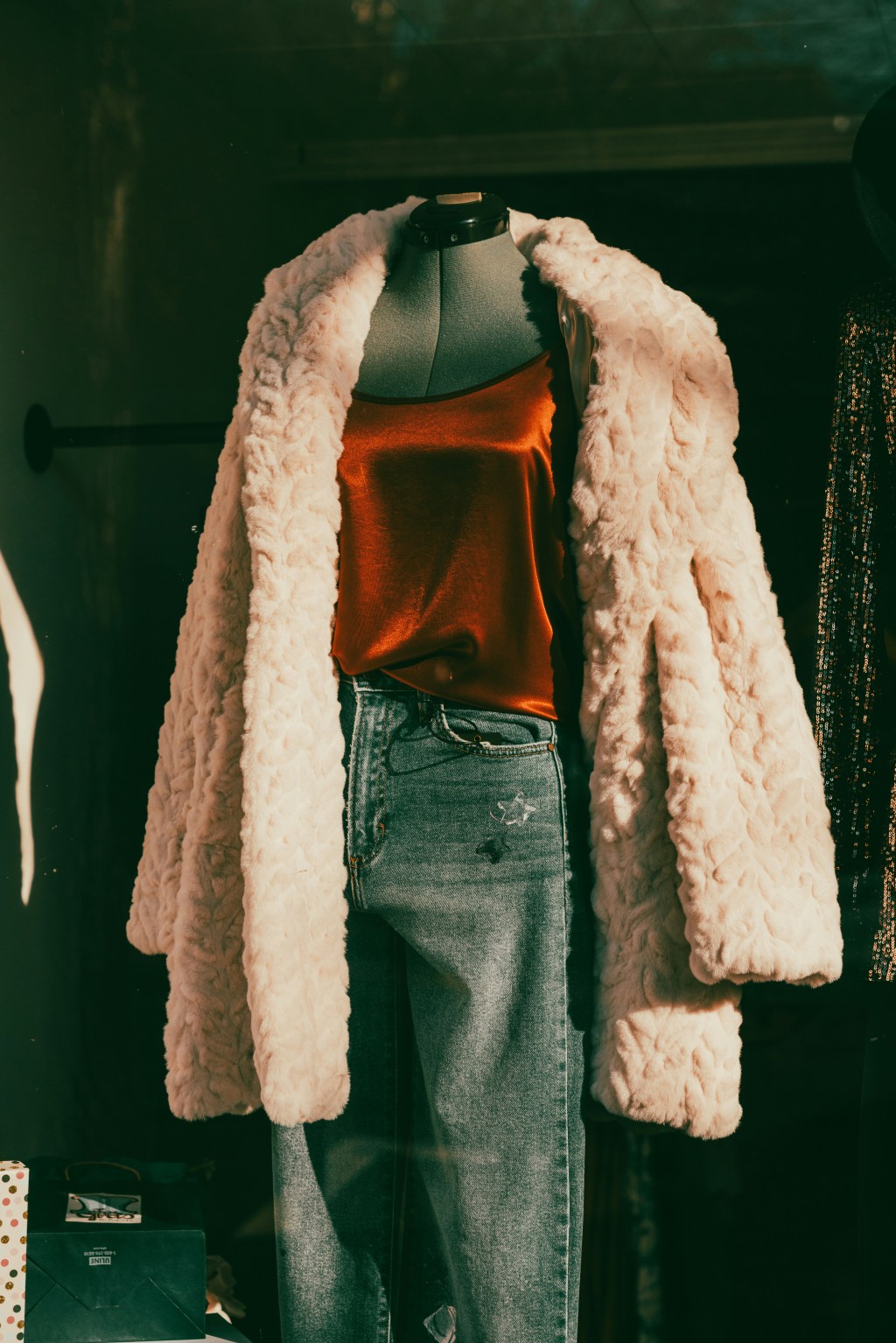
I’ve always had a strong love for vintage clothing. In 2014 my husband and I started a vintage clothing website as a side business. We sold vintage pieces sourced from thrift stores, estate sales, and consignment shops. We focused primarily on special pieces from the 80s and 90s. I concentrated on vintage luxury, like YSL and Oscar de La Renta from those eras, while he focused on sporty pieces like windbreakers and cool mens items like Coogi sweaters and leather jackets (one of our highlights was selling a mens jacket to Hailey Bieber). At the time I lived in Old Town, Alexandria, and there were a lot of great stores to source designer pieces from. After a while we moved away from thrifting and started sourcing pieces from bulk vintage suppliers in the Northeast. Eventually we put the online shop on pause to focus on our respective careers and expanding family. But I learned a lot during that time and my love for finding special pieces (often at really amazing prices) remains. Vintage fashion isn’t just about nostalgia—it’s about unique style, sustainable choices, and the thrill of the hunt. When you find a truly special piece it becomes addictive. If you’re interested in finding some special vintage pieces of your own, I’ve compiled some tips. Whether you’re searching for a ‘70s suede jacket, a ‘90s slip dress, or a timeless Chanel blazer, this guide will walk you through how to uncover those hidden treasures.
1. Know What “Vintage” Really Means
Definition: In fashion, “vintage” typically refers to clothing that’s 20 to 100 years old. Anything newer is often labeled “retro” or “secondhand,” while items over 100 years old are considered “antique.”
Why it matters: Understanding the era you’re hunting for will help narrow your search and recognize authentic pieces.
2. Learn the Eras & Their Signatures
Understanding fashion trends by decade helps you identify pieces at a glance. Here’s a quick cheat sheet:
- 1920s: Flapper dresses, drop waists, Art Deco beading
- 1940s: Shoulder pads, nipped-in waists, utility wear
- 1950s: Full skirts, circle dresses, pin-up silhouettes
- 1960s: Mod prints, mini skirts, go-go boots
- 1970s: Bell bottoms, boho florals, fringe
- 1980s: Power suits, sequins, oversized everything
- 1990s: Minimalism, grunge flannel, slip dresses
- 2000s (Y2K): Low-rise jeans, rhinestones, logo-heavy looks
3. Where to Shop for Vintage Gems
A. Brick-and-Mortar Shops
- Thrift Stores (Goodwill, Salvation Army): Great prices, hit-or-miss finds, but thrift stores and donation centers in affluent neighborhoods will have the most designer finds. Check often.
- Consignment Stores: Curated, more higher-end options; less digging required but higher prices.
- Vintage Boutiques: More expensive but often organized by era and style.
- Estate Sales: Jackpot for authentic, well-preserved vintage.
- Flea Markets: Cash is king, and haggling is expected.
- Garage Sales: Unfiltered treasures—especially in older neighborhoods.
B. Online Sources
- Etsy: Excellent for specific searches (e.g., “1970s suede jacket”).
- eBay: Ideal for deals and bidding; buyer beware—ask questions.
- Depop / Poshmark / Vinted: Community-based platforms with styling insight.
- ThredUp: Filter by decade or “vintage” tag; more modern items too.
- Specialty Sites: Like TheRealReal or Vestiaire Collective for designer vintage.
4. Spotting Authentic Vintage
Labels & Tags
- Look for “Made in USA” tags or union labels (especially ILGWU).
- RN numbers can help date items (use an RN lookup tool).
- Older clothes often have no stretch and use metal zippers or hook-and-eye closures.
Construction & Fabric
- Vintage tends to be better made: lined garments, finished hems, natural fibers.
- Look for signs of hand-stitching or high-quality craftsmanship.
5. Know Your Measurements
Vintage sizing differs drastically from modern sizing. A vintage size 12 might be today’s size 6.
Pro tip: Bring a soft measuring tape and keep your own measurements on your phone:
- Bust
- Waist
- Hips
- Shoulder width
- Inseam
6. Go With a Game Plan (But Be Open)
Plan Ahead: Know what you’re hunting for—e.g., “a ‘70s leather coat.”
Be Flexible: Sometimes the best finds are the ones you didn’t expect.
7. Check Condition Carefully
Before buying:
- Inspect seams, zippers, buttons, underarms, and lining.
- Smell the item—mildew or mothball odors are tough to remove.
- Minor issues? If you love it, a good tailor can work magic.
8. Learn to Haggle (Tactfully)
Especially at flea markets, estate sales, and some vintage boutiques:
- Be polite: “Would you take $X for this?”
- Bundle items for a discount.
- Pay in cash when possible.
9. Clean & Store with Care
- Dry Clean: Delicate, structured, or high-end vintage pieces.
- Hand Wash: Many cotton, silk, or rayon items—use mild detergent.
- Store Properly: Avoid plastic bags; use cotton garment bags or acid-free tissue.
- Avoid Sunlight: Can fade colors and weaken fabrics.
10. Cultivate Your Eye
The more you shop vintage, the sharper your intuition becomes. Keep track of brands you love, fabrics you trust, and silhouettes that flatter you.
Follow vintage influencers, watch old films, and study old magazines to inspire your eye for iconic styles.
Bonus Tips
- Go Often: Inventory turns over fast. Regular visits = better chances.
- Shop Off-Season: Buy coats in summer and swimsuits in winter.
- Talk to Sellers: They often know the history of the pieces and may offer early access or discounts.
Finding vintage clothing gems is part art, part science, and all about the thrill. With a little research, patience, and creativity, you can build a wardrobe full of stories, character, and timeless style.
Xo,
Courtney


Leave a Reply