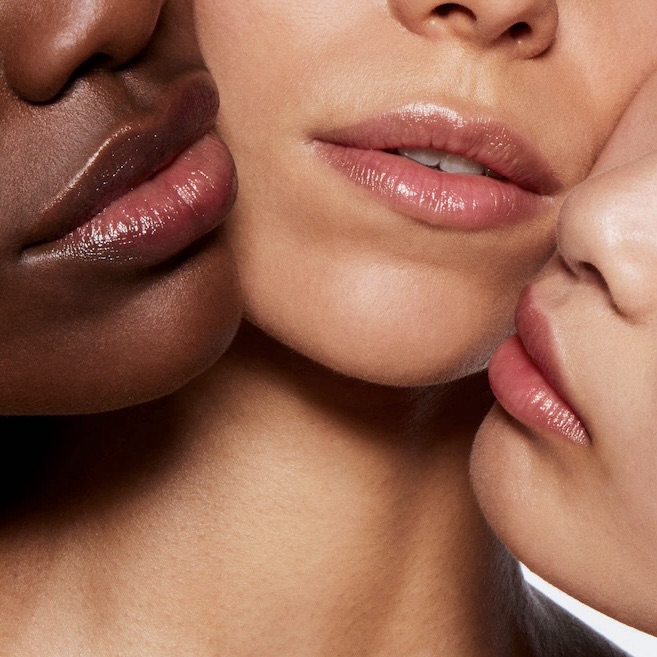
A couple of weeks ago, I walked into the office and was immediately drawn to the beautiful mauve lip color one of the associates was wearing. As it turned out, several people in the office were wearing the same pH color-changing lipstick, yet the shade looked different on everyone. Naturally, I was intrigued.
If you’ve spent any time scrolling through beauty products lately, chances are you’ve come across one of these lipsticks that promises to change color based on your personal pH. Some look green in the tube, others blue or purple, and a few appear completely clear. But once applied, they transform into varying shades of pink.
Who wouldn’t be curious about a lipstick that promises to find the perfect shade just for you?
But as someone who appreciates a beautiful lipstick and enjoys discovering products that actually deliver on their promises, I wanted to know whether these color-changing formulas are worth the attention. Is there real science behind them, or is this simply another clever beauty marketing tactic?
Let’s take a closer look.
1. How Do pH Color-Changing Lipsticks Work?
First, let’s talk about the science.
Many color-changing lipsticks contain a dye called Red 27, also known as CI 45410. In a formula with little or no water, this dye can appear colorless. When it comes into contact with moisture under suitable conditions, its chemical structure changes, producing a pink color.
That is why a lipstick that looks clear in the tube can leave behind a pink stain on your lips.
The effect is real, but it isn’t quite magic. It is chemistry at work.
And while these products are often marketed as pH-reactive, moisture plays an important role in how the color develops. The finished shade is influenced by the formula, the conditions on your lips, and your natural coloring.
2. Will the Lipstick Really Create a Custom Shade Just for You?
This is where I think the marketing deserves a closer look.
Brands often suggest that a color-changing lipstick will create a shade that is uniquely yours. Although the finished color can look slightly different from person to person, that doesn’t necessarily mean the lipstick is reading your personal chemistry and inventing a completely new shade.
Many of these formulas produce a pink or berry-toned stain. How that color appears on you depends partly on your natural lip pigmentation, skin tone, undertones, and how much product you apply.
In other words, you may find that the lipstick looks softer on one person and brighter on another, but that is not the same as creating an entirely individual color.
Think of it as a color that adapts in appearance rather than a lipstick that has somehow figured out your perfect shade.
3. Are They Flattering on Everyone?
Not necessarily. A sheer pink can be lovely on many complexions, but we all know that not every shade of pink works equally well for everyone.
Some formulas develop into a soft, natural-looking flush. Others can turn a much brighter fuchsia or cool-toned pink than you might have expected from the product in its original packaging.
If you prefer a classic rose, a muted nude, a warm pink, or a sophisticated red, you may find that a color-changing lipstick doesn’t deliver the particular shade you want.
If possible, look for swatches on people with a complexion and undertone similar to your own. And remember that the color you see immediately after application may not be the final result.
4. Do They Last Longer Than Traditional Lipsticks?
Some color-changing lipsticks leave behind a stain that lasts after the initial shine or balm-like finish has worn away.
That can be a benefit if you like a little color without having to reapply lipstick constantly. However, longevity depends on the individual formula. A color-changing lipstick isn’t automatically longer-lasting simply because it reacts with moisture.
You will also want to consider the finish. Some products feel more like a hydrating lip balm, while others leave a more noticeable stain that can be harder to remove.
If comfort is important to you, look at the formula’s moisturizing ingredients and reviews, not just its color-changing claims.
5. Are They Worth the Money?
That depends on what you want from your lipstick.
If you enjoy experimenting with beauty products, appreciate a sheer wash of pink, or simply like the novelty of watching a green lipstick transform on your lips, these products can be fun to try.
But if you are looking for a very specific color, I wouldn’t buy one solely because it promises a personalized shade.
A traditional lipstick in a color you already know you love may be a better investment. You can choose the exact finish, depth, and undertone you prefer rather than hoping the formula develops into something that suits you.
And if you do decide to try a color-changing lipstick, check the ingredient list and buy from a reputable brand. In the United States, color additives used in lip products must be permitted for that use under FDA regulations. The fact that a product changes color is not, by itself, a guarantee of safety or quality.
6. My Take on the Trend
I think pH color-changing lipsticks are one of those beauty innovations that are genuinely interesting, even if the marketing makes them sound a little more extraordinary than they are.
The science is real. The promise of a perfectly customized lipstick shade is less convincing.
For me, the most important question isn’t whether a lipstick can change color. It is whether I like the color it leaves behind, whether it feels comfortable, and whether I will actually reach for it when getting dressed.
I tried two—the one the entire office was wearing, an affordable Amazon find (see it here). And because I can’t help myself when it comes to luxury beauty, I sprung for the Tom Ford Soleil Lip Blush, as well (also found here).
Those who know me well might be surprised to hear this, but I actually liked the Amazon lipstick better. The color was closer to what I wanted, and it was more moisturizing than the Tom Ford. Courtney also tried and liked the LipTone pH Reactive gloss from Pixi Beauty (here).
But we all know a lipstick doesn’t have to be high-tech to be a beauty staple. Sometimes, the most flattering shade is simply the one that makes you feel polished and confident.
And when it comes to beauty, I am always in favor of a little experimentation, provided we know what we are buying.
The Bottom Line
So, do pH color-changing lipsticks really work?
Yes, they really can change color. But no, they don’t necessarily create a unique shade tailored to your individual body chemistry.
If you love a sheer pink stain and enjoy trying something new, one might be worth adding to your makeup bag. If you prefer a specific lipstick shade or want a formula that reliably delivers the same result every time, a traditional lipstick may be the better choice.
I believe the chicest beauty purchase is one you will enjoy wearing, not simply one that makes an interesting promise.
Xo, Tonya


Leave a Reply