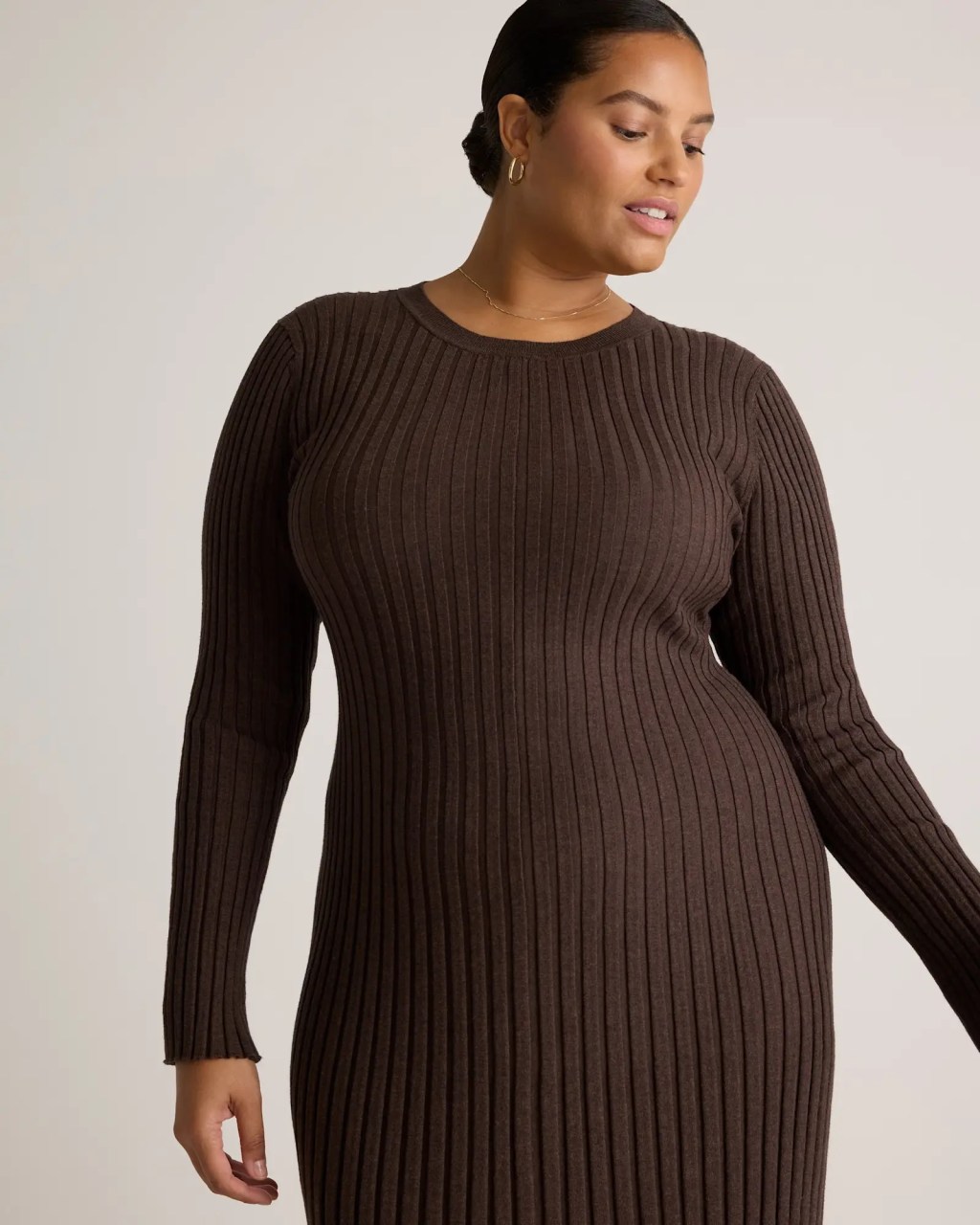
If you’re anything like me, you there are certain pieces of clothing that just seem to work. You put them on, look in the mirror, and everything feels right. The fit, the silhouette, the way the fabric falls. And then there are those pieces you love on the hanger, or on someone else, but somehow never feel quite right when you wear them.
I have always believed that developing personal style is about more than following trends or finding the latest must-have pieces. It is about understanding what you love, what makes you feel confident, and what works for you.
One thing that can make getting dressed a little easier is understanding your body proportions. Not in the sense of trying to change your shape or dressing to hide certain features, but learning how different silhouettes, lengths, and details work with your natural proportions.
You may have heard of David Kibbe, the stylist whose approach to personal style has inspired a great deal of conversation about body types and clothing. His system considers the overall lines and proportions of a person rather than focusing on individual measurements.
While I find the concept interesting, I don’t think we need to identify a specific body type to make better style choices. Sometimes, simply paying attention to the way clothing fits and falls can make all the difference.
Here are a few practical ways to use your proportions to help define your personal style.
1. Pay Attention to Your Overall Silhouette
One of the easiest ways to begin is to look at the overall shape of an outfit rather than focusing on individual pieces.
For example, a fitted top paired with wide-leg trousers creates a different silhouette than a loose blouse paired with slim trousers. Neither is necessarily better. The key is understanding how the pieces work together.
When trying on an outfit, ask yourself:
- Does the overall shape feel balanced?
- Do the pieces work together, or is one overwhelming the other?
- Do I like the way the outfit looks from head to toe?
- Can I move comfortably and feel like myself?
Sometimes the smallest change, such as tucking in a blouse or changing the length of a jacket, can make an outfit feel more intentional.
2. Find the Waistline That Works for You
Waistlines can have a significant impact on the overall look of an outfit.
High-rise trousers, mid-rise jeans, and dresses with a defined waist all create different proportions. A higher waistline can visually lengthen the legs, while a lower waistline may create a more relaxed silhouette.
If you love dresses as much as I do, pay attention to where the waistline falls. Some dresses have a natural waist, while others feature a dropped waist or a more relaxed, straight silhouette.
Try a few different styles and notice which ones you reach for most often.
A belted dress, a tailored shirt dress, and a simple sheath dress can all be classic wardrobe staples, but they create very different looks.
The goal isn’t to always define your waist. It is to discover which shapes you enjoy wearing and which ones feel most comfortable and confident.
3. Consider the Length of Your Jackets and Tops
The length of a jacket or top can change the way an entire outfit looks.
A cropped jacket paired with high-waisted trousers creates a different effect from a longer blazer worn over a dress or slim trousers.
If you have ever put on a blazer and felt that something was off, try experimenting with the length. A jacket that ends at the hip may work beautifully with one outfit, while a shorter jacket may feel more polished with another.
The same goes for sweaters, button-down shirts, and blouses.
Rather than automatically choosing the same length every time, consider what you are pairing the piece with and how you want the overall silhouette to look.
4. Don’t Underestimate the Power of Fit
This may be one of the most useful style lessons of all.
A beautiful piece of clothing can lose its appeal when the fit is off. A blazer that pulls across the shoulders, trousers that bunch at the ankle, or a dress that doesn’t sit properly can make getting dressed more frustrating than it needs to be.
And the reverse is true. A relatively simple outfit can look incredibly chic when everything fits well.
Pay attention to:
- The way a shoulder seam sits.
- Whether trousers fall cleanly from the hip.
- The length of sleeves and pant legs.
- Whether a dress skims comfortably without pulling.
- Whether the fabric drapes the way you like.
And remember, alterations can make a difference. A simple adjustment to the hem of a pair of trousers or the sleeves of a blazer can turn a good piece into a favorite.
5. Think About Scale When Choosing Accessories
Accessories are one of my favorite ways to make an outfit feel personal.
But scale can play an important role in how they work with your overall look.
A large tote, bold earrings, a delicate necklace, and a structured handbag each bring something different to an outfit.
If you are wearing a simple black dress, a statement necklace may be exactly what you need. If your outfit already includes a beautiful print or a dramatic neckline, a smaller piece of jewelry may be all it takes.
The same applies to handbags, belts, and shoes.
Rather than following a rule about which accessories are right for your body type, consider the overall effect you want to create.
Sometimes a little contrast is what makes an outfit interesting.
6. Learn Which Fabrics and Silhouettes You Love
Fabric can change the way clothing looks and feels on the body.
A crisp cotton shirt creates a different effect from a soft silk blouse. A structured wool blazer looks different from a relaxed linen jacket.
Some women love a tailored silhouette. Others prefer clothing that moves and drapes. And many of us enjoy a combination of both.
I have always been drawn to classic pieces with a little structure, but I also appreciate the ease of a beautiful dress or a soft blouse.
The more you experiment, the more you begin to recognize your preferences.
You may discover that you love:
- Dresses that skim rather than cling.
- Trousers with a clean, tailored leg.
- Blazers with a defined shoulder.
- Soft blouses paired with structured bottoms.
- Simple silhouettes with one interesting detail.
These preferences can become the foundation of your personal style.
7. Use David Kibbe as Inspiration, Not a Rulebook
David Kibbe’s approach to style encourages women to consider the overall lines of their bodies and how clothing interacts with those lines.
His system includes different style identities that consider elements such as structure, softness, length, and proportion. The idea is to look at the overall picture rather than focusing on a single feature.
I think there is something useful in that approach.
It can encourage us to look beyond the size on a clothing tag and consider why a particular silhouette works or doesn’t work for us.
But I would not get too caught up in trying to identify your exact Kibbe type.
You don’t need a quiz to tell you that you love a beautifully tailored blazer, that a certain dress makes you feel wonderful, or that you prefer a classic pump to a chunky sneaker.
Use the concepts as inspiration. Try different silhouettes. Notice what feels right.
And remember, personal style should leave room for individuality.
8. Create a Wardrobe Around What Works
Once you begin to recognize the silhouettes and proportions you love, it becomes easier to build a wardrobe that feels cohesive.
You may find that you consistently gravitate toward dresses with a defined waist, straight-leg trousers, longer blazers, or simple tops with an interesting neckline.
Those preferences are worth paying attention to because they can help you make more thoughtful shopping choices.
Before adding something new to your wardrobe, consider:
- Does this silhouette work with pieces I already own?
- Do I like the way it fits and falls?
- Can I style it in more than one way?
- Does it feel like my personal style?
The more you understand your preferences, the less you need to rely on trends to tell you what to wear.
The Takeaway
I think one of the best things about developing personal style is realizing that there is no single formula for looking chic.
Understanding your body proportions can help you make more informed choices, but it should never become another set of rules to follow.
You don’t have to dress to look taller, smaller, thinner, or younger. You don’t have to avoid a particular silhouette because someone says it isn’t right for your body type.
Instead, think about the clothing you love, the way it fits, and how it makes you feel.
The goal is to create a wardrobe that works for your life and reflects who you are.
And perhaps the most important style tip of all is this: Wear what makes you feel like the best version of yourself.
Because personal style isn’t about getting dressed to meet someone else’s expectations. It is about learning what works for you and having the confidence to make it your own.
Xo, Tonya


Leave a Reply