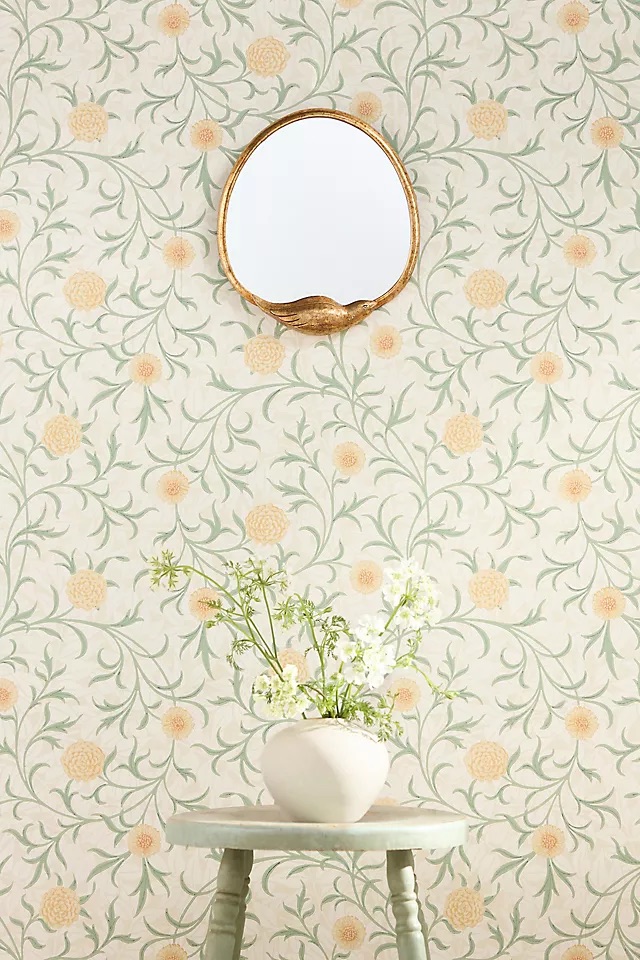
Creating a home that feels like you goes beyond choosing trendy furniture or a perfect color palette. It’s about telling a story—your story—through intentional design. One of the easiest (and most overlooked) ways to do that? Choosing a signature home motif.
A signature motif is a visual or thematic element that repeats throughout your home, anchoring your space and giving it character. Whether it’s a botanical print, coastal accents, or vintage silhouettes, your motif can help turn your home into a personal sanctuary. One of my favorite examples of this was a home I saw with a seahorse motif. The couple had been married at the beach and used a seahorse design on their wedding invites. Their home incorporated this symbol in subtle ways (like seahorse shaped cabinet knobs) throughout. Tonya collects elephants (the symbol of her sorority- Delta Sigma Theta) and displays them stylishly throughout her home. As for me, I’m trying to narrow down a new motif with cottagecore vibes (because I want my home to feel like a cozy sanctuary) that also complements modern decor. I’m still deciding between a subtle bee theme or lavender flowers. But the options beyond flowers and animals are endless.
Here’s how to choose a motif that fits your vibe—and stylish ways to weave it through your space.

1. Understand What a Motif Is (And Why It Matters)
In design, a motif is a recurring element—like a pattern, symbol, color, or theme—that brings unity to a space. Think of it as your home’s visual signature. A good motif creates cohesion without being overly matchy. It’s the subtle thread that ties each room together.
More examples of home motifs:
• Palm leaves or ferns (for a relaxed, tropical vibe)
• Arches and curves (for an architectural or Mediterranean feel)
• Butterflies or birds (for a whimsical or nature-inspired space)
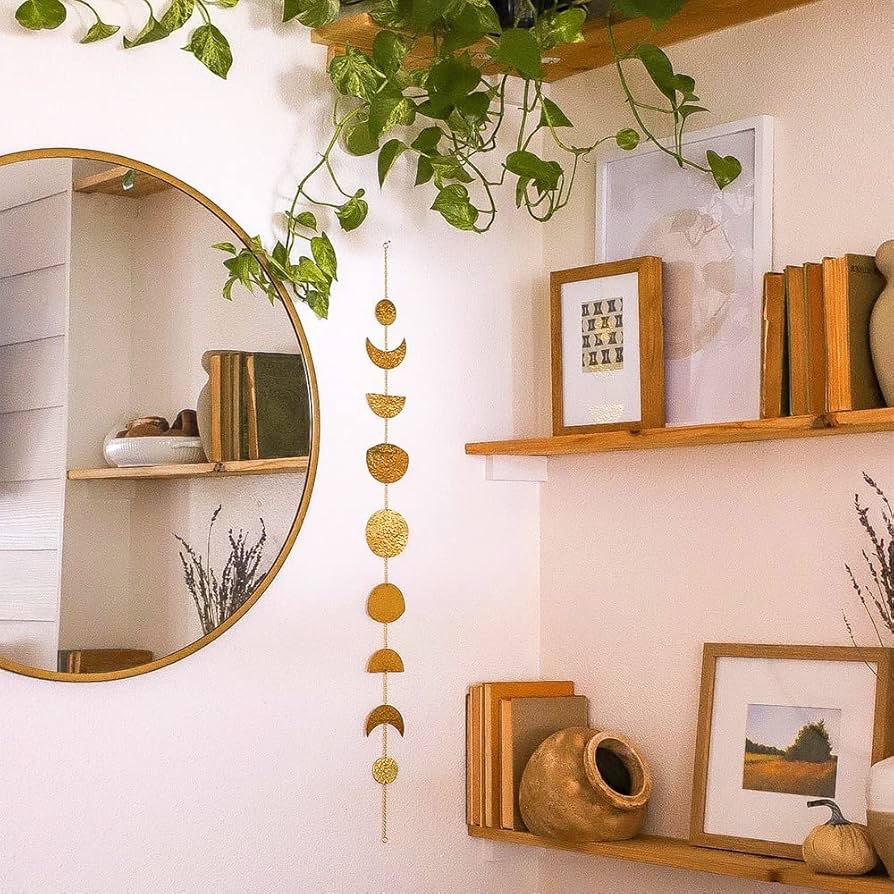
• Stars, moons, or celestial details (for a dreamy, modern mystic aesthetic)
• Plaid or tartan (for cozy, classic energy)
2. Start With Your Style Keywords
Before landing on a motif, define your personal aesthetic. Ask yourself:
• What words describe my ideal space? (e.g., cozy, eclectic, airy, bold)
• What types of patterns or shapes am I drawn to in fashion or art?
• What places or feelings do I want my home to evoke?
You might discover that you’re drawn to coastal themes (shells, sea glass, driftwood) or Parisian touches (florals, vintage gold frames, toile prints). Use these clues to narrow down potential motifs.
3. Test the Motif in a Small Space First
Rather than committing to a full living room re-style, test your motif in a lower-stakes space: the powder room, entryway, or even your bar cart.
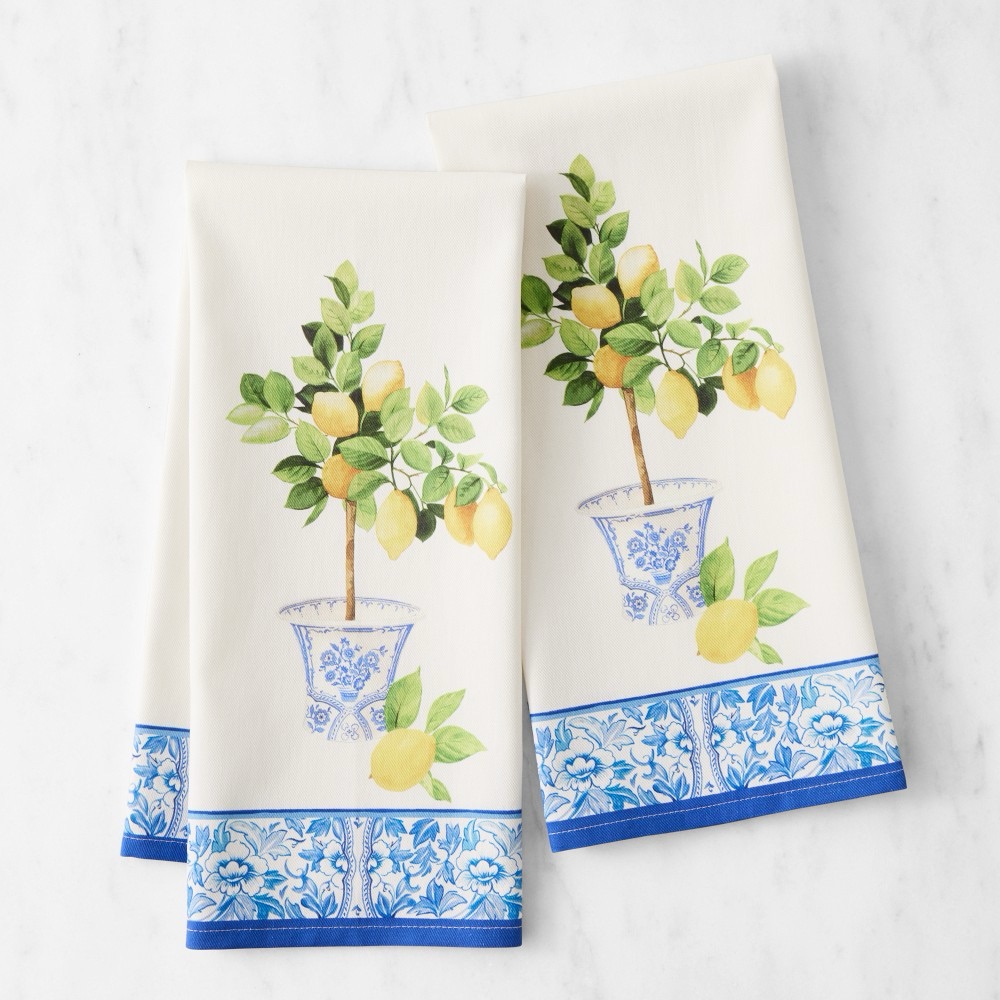
Let’s say you love lemons and want to explore a Mediterranean citrus motif:
• Try a lemon-printed tea towel or artwork in the kitchen.
• Add a citrus-scented candle.
• Display a bowl of fresh lemons as decor.
Does it make you smile every time you pass it? Then you’ve found a winner.

4. Ways to Incorporate Your Signature Motif
Once you’ve chosen a motif, bring it to life with subtle, repeated elements throughout your home:
Wall Art & Prints
Choose a framed piece or gallery wall that celebrates your motif. Whether it’s a minimalist palm print or an ornate butterfly illustration, wall art is an easy entry point.
Textiles
Throw pillows, curtains, bedding, or rugs are perfect for adding motifs in a tactile way. For example, a subtle scallop pattern in a rug can echo ocean waves or shell shapes.
Scent & Color
Your motif can even influence your color palette or home fragrance. A rose motif might pair beautifully with blush tones and rose-scented diffusers.
Ceramics & Dishware
Mugs, serving platters, or even your daily plates can reflect your motif without feeling forced.
Hardware & Accessories
Consider drawer pulls shaped like stars, or vintage brass hooks that mimic vines. Small details = big visual impact.

5. Layer, Don’t Overload
The key to a sophisticated motif is restraint. Your home shouldn’t feel like a theme park. Aim to sprinkle your motif throughout with variation: a bold statement piece in one room, and smaller nods in others.
Try mixing your motif with contrasting elements so it doesn’t become too repetitive. For example, pair vintage floral prints with modern lighting or sleek furniture.
6. Let It Evolve Over Time
Your motif doesn’t have to be permanent. As your tastes evolve, so can your signature. You might lean into celestial decor one year and pivot to cottagecore details the next. The goal is to build a space that feels like you, not a static catalog page.
Choosing a signature home motif is like choosing a personal logo for your space—it doesn’t need to be obvious, but it should feel intentional. Once you land on the right motif, you’ll be amazed at how much easier decorating (and shopping!) can be. Your home will have details that tell your story in every room.
Do you have a signature home motif or thoughts on one you’d like to start incorporating? I’d love to know.
Xo,
Courtney
 The Real Chic Life
Leave a comment